




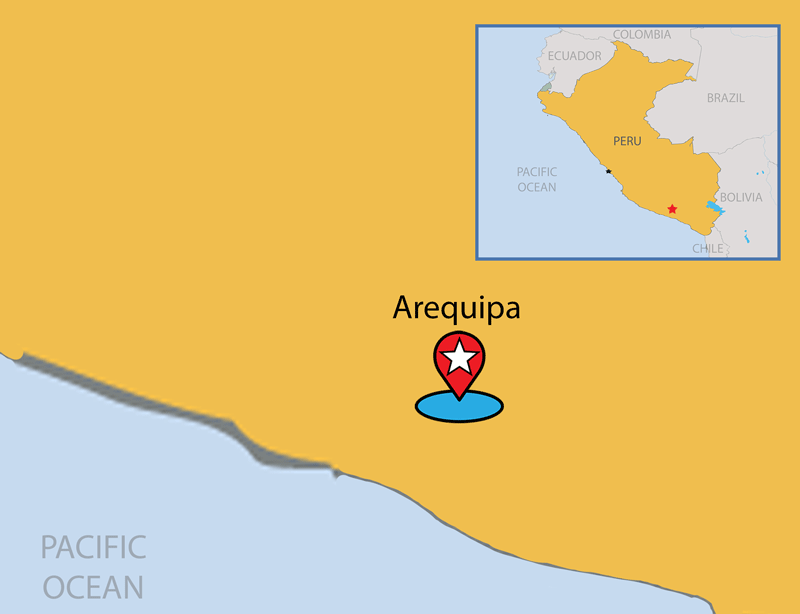


















After breakfast, head out and explore the beautiful city, and if interested, take part in an opportunity to give back at a local orphanage later in the afternoon.
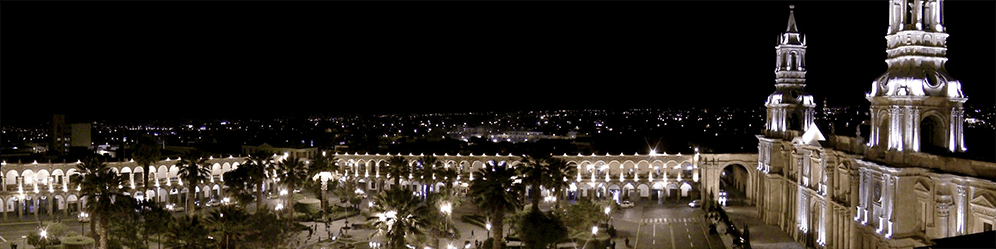
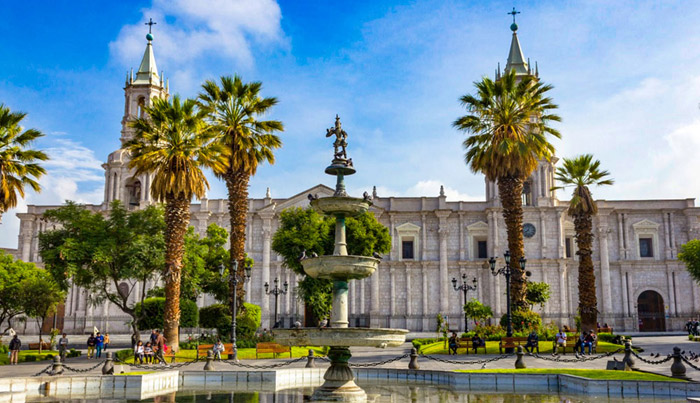
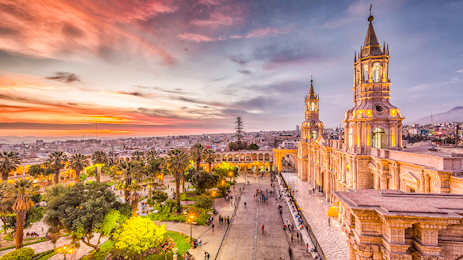
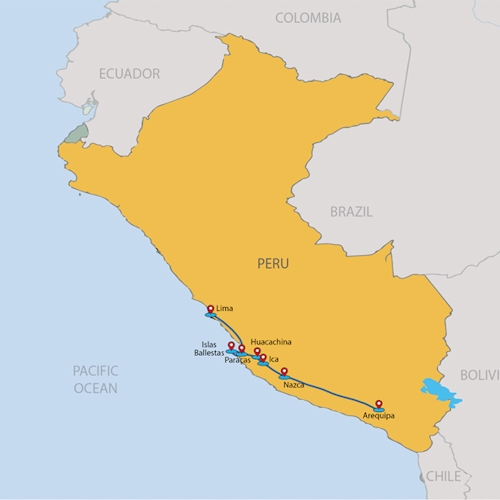
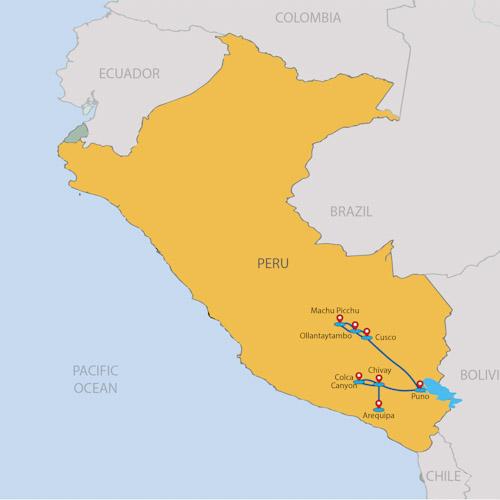
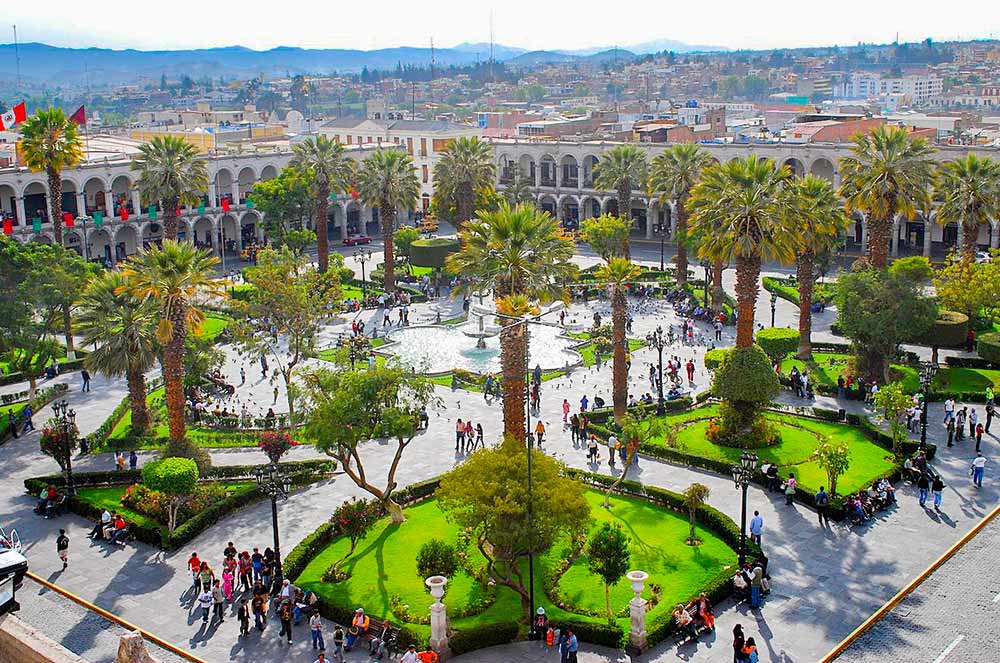
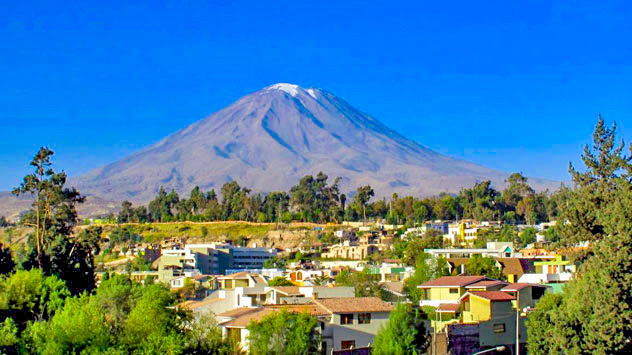
Arequipa is a colonial-era regional capital dating back to 1540, but an Inca settlement long before that. The buildings are largely made from local white volcanic stone (sillar) giving the city its moniker of “White City”. The colonial architecture, the sillar buildings and the three large volcanoes that surround it contribute to it being considered Peru’s most beautiful city.
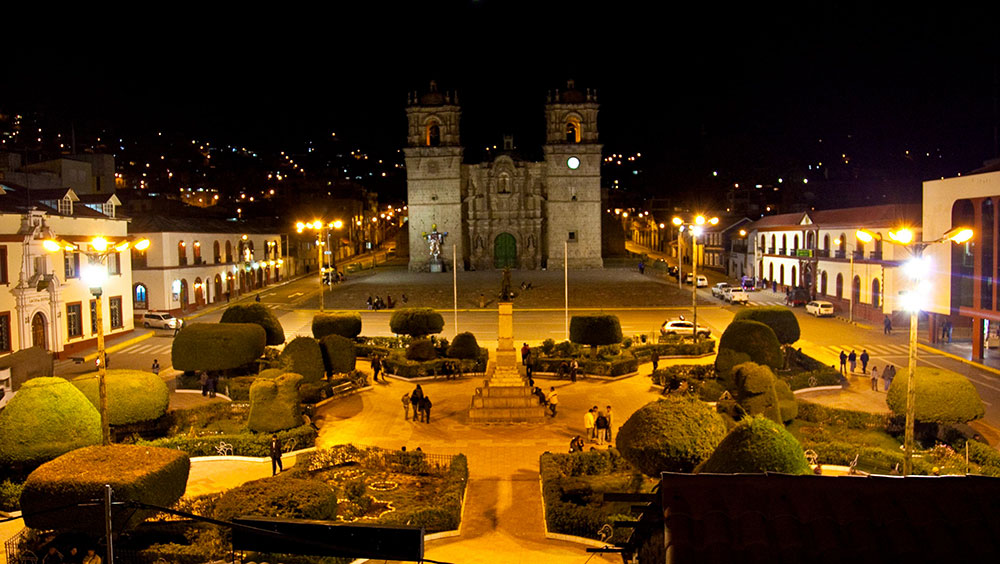
Things to see: Santa Catalina Monastery (1579) – a still functioning nunnery; La Mansión del Fundador – a 17th century mansion once belonging to the city founder; Molina de Sabandia (1621) – a peaceful historic water mill and beautifully landscaped grounds; Monasterio de la Recoleta – a museum housed in a colonial building with Amazonian artifacts, religious art and ethnic historical items; Convento de Santa Teresa (1710) – a nunnery and a museum of religious art and historical artifacts; Mercado San Camilo – a bustling market designed by Gustav Eiffel (same as Eiffel Tower); Yanahuara – a neighborhood offering many panoramic views of the city; Museo Santarios Andinos – a beautiful museum showcasing the local culture and a mummy; Basilica Cathedral of Arequipa (1656) – a towering neoclassical cathedral; Plaza de Armas – the main square rimmed by white buildings.
Go BIG was founded on the idea of responsible travel and strives to make a positive impact on the places visited. We try to give travelers the opportunity to give back by introducing them to local organizations in hopes of kindling a relationship that could last a lifetime through sponsorship. We can often arrange for our travelers to make a real difference in Peru by: getting directly involved with a volunteering project, albeit a very short one; sharing their knowledge by giving a talk; or simply observing how the organizations are helping the communities. These activities are scheduled outside of the standard tour itinerary as additional opportunities for travelers’ free time.